

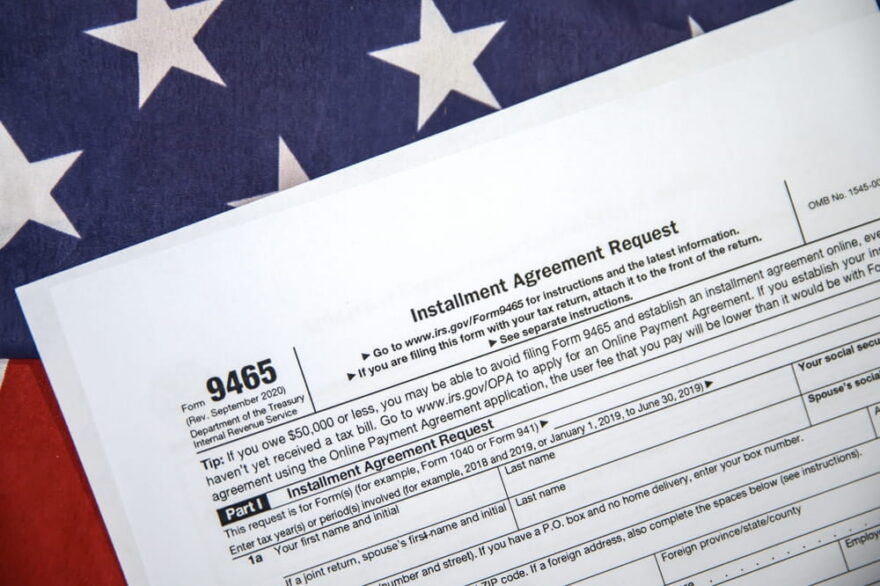
For taxpayers who cannot pay their tax liability in a lump sum, the IRS offers installment agreements that benefit both the taxpayer and the IRS. An installment agreement allows you to pay your tax debt over time in manageable monthly payments, preventing the IRS from resorting to more aggressive collection actions such as a wage garnishment or bank account levy. In some cases, the IRS will automatically accept an application for an installment agreement if the taxpayer’s situation is simple and their debt is below a prescribed threshold.
However, for taxpayers with substantial tax debt and more complex financial circumstances, an installment agreement is not assured. If the IRS reviews your finances and determines that your proposal does not meet its criteria, it can, and often does, reject the request. Understanding why rejections happen, and knowing exactly what to do next, can make the difference between a manageable repayment plan and a full-blown collection crisis.
Key Takeaways
The IRS can reject an installment agreement for several reasons: including unfiled tax returns, a payment proposal that is too low, incomplete or inaccurate financial disclosures, or a history of defaulting on prior agreements.
A rejection is not the end of the road: — you have 30 days from the rejection date to file a Collection Appeal Request (Form 9423) before the IRS can begin levying your assets.
Escalating to an IRS manager: is often an underutilized first step that can resolve a rejection without a formal appeal.
If an installment agreement is not achievable, alternative programs: such as an Offer in Compromise, Currently Not Collectible status, or Penalty Abatement may provide meaningful relief.
Working with an experienced tax resolution professional: significantly improves your chances of approval, whether on a resubmission, an appeal, or an alternative resolution strategy.
Why the IRS Rejects Requests for Installment Agreements
The IRS can reject a request for an installment agreement for many reasons, but some of the most common are:
- You have unfiled tax returns: The IRS generally requires that all required tax returns be filed before it will approve an installment agreement. If you have outstanding unfiled returns, resolving those is a prerequisite to moving forward.
- Proposed monthly payment is too low: The IRS wants to be assured that you will pay off your tax debt in full. For example, if the taxpayer requests an installment agreement with a low monthly payment that won’t pay the debt within the remaining period of the collection statute of limitations, the IRS will reject the proposal.
- You did not complete Form 433: Taxpayers must complete Form 433-A, Collection Information Statement, when they do not qualify for a Simple Installment Agreement or Non-Streamlined Installment Agreement. Failure to provide the Collection Information Statement, skipping sections, or providing inaccurate information may result in the IRS rejecting the application.
- You have the ability to fully or partially pay down your tax debt: If you are required to submit a Collection Information Statement and it indicates you have the cash to cover your tax debt or assets that can be borrowed against or liquidated, the IRS probably will reject your request for an installment plan and suggest you use your cash or borrow against your assets.
- Failure to provide requested information: The taxpayer failed to provide additional information requested by the IRS to evaluate the proposal.
- You have a history of defaulting on agreements with the IRS: A history of defaulting on previous installment agreements hurts your case, and the IRS may reject your application if it believes that you are likely to do so again.
What to Do if Your Request is Rejected
The most important thing to remember is that hope is not lost if the IRS rejects your request. There are a few options available for taxpayers in these scenarios, including:
1. Continue to Negotiate
If your initial request is denied, you may be able to continue negotiations by speaking directly with an IRS manager. Revenue officers and IRS agents follow a chain of command, and escalating your case to a supervisor can sometimes produce a more favorable outcome. This is especially true if the rejection was based on a misunderstanding of your financial situation or an error in evaluating your application.
Working with a qualified tax professional during this stage is highly advisable. An experienced tax resolution specialist knows what documentation to present, how to frame your financial circumstances, and how to communicate with the IRS in a way that maximizes your chances of approval.
2. File a Collection Appeal
If negotiations with the IRS do not produce results, you have the right to appeal your rejection to the IRS Office of Appeals. This is an independent, impartial body within the IRS whose purpose is to resolve tax disputes. Filing a Collection Appeal Request (Form 9423) formally notifies the IRS that you are contesting the rejection and triggers the appeal process.
Your appeal must be filed within 30 days of the rejection date, so time is of the essence. Once the appeal is submitted, IRS collection activity is generally placed on hold while your case is reviewed. The appeals officer assigned to your case will take a fresh look at your financial information and determine whether the rejection was justified or whether an installment agreement can be approved.
3. Explore Alternative Tax Relief Options
If an installment agreement is not feasible given your financial circumstances, there are other IRS programs that may provide meaningful relief:
- Offer in Compromise (OIC): This program allows qualifying taxpayers to settle their tax debt for less than the full amount owed. The IRS evaluates your ability to pay, based on your income, expenses, and asset equity, to determine whether an offer is acceptable. If approved, you pay a reduced lump sum or a 24-month payment plan in exchange for the IRS releasing the remaining liability.
- Currently Not Collectible (CNC) Status: If you can demonstrate that paying your tax debt would leave you unable to meet basic living expenses, the IRS may temporarily suspend collection activity by placing your account in CNC status. While your debt does not go away and interest continues to accrue, the IRS will not pursue active collection as long as your financial hardship continues.
- Penalty Abatement: Even if you cannot reduce the underlying tax balance, you may qualify to have penalties reduced or eliminated through a first-time penalty abatement or a reasonable cause request. Reducing penalties can meaningfully decrease the total amount you owe.
- Bankruptcy: In certain limited circumstances, filing for bankruptcy may allow for the discharge of some tax debts. The rules around tax debt and bankruptcy are complex and situation-specific, so consulting with both a tax professional and a bankruptcy attorney is essential before pursuing this route.
Get Help With Tax Problems in Boca Raton
If the IRS rejected your request for an installment agreement or if you are concerned about how to approach one, you do not have to navigate this process alone. The tax resolution specialists at East Coast Tax Consulting Group have more than 30 years of experience helping taxpayers across the country resolve IRS disputes and find workable solutions to complex tax problems.
Whether you need help appealing a rejection, exploring an Offer in Compromise, or simply understanding your options, our team is here to help. Contact East Coast Tax Consulting Group today by filling out our online form or calling us at 866-550-7655 to schedule a free, confidential consultation.
Frequently Asked Questions
Will the IRS levy my assets immediately after rejecting my installment agreement?
Not immediately. After a rejection, you have a 30-day window to appeal or take other corrective action, during which the IRS cannot levy your assets. However, once that window closes without action, the IRS may proceed with collection. The Taxpayer Advocate Service can also be contacted in urgent cases if you believe your rights are being violated.
What is the IRS Office of Appeals, and is it truly independent?
The IRS Office of Appeals is a separate function within the IRS, designed to provide taxpayers with an impartial review of their case outside of the examination or collections division. Appeals officers are not involved in the original decision and are instructed to evaluate disputes objectively.
What if I can’t afford any payment at all?
If you genuinely cannot afford to make any monthly payment, you may qualify for Currently Not Collectible status. This places your account in a temporary hold, suspending all collection activity. The IRS will periodically review your finances to see if your situation has improved. While CNC status does not eliminate the debt or stop interest from accruing, it provides meaningful breathing room while you work toward a longer-term solution.
Does a rejected installment agreement affect my credit score?
The rejection itself is not reported to credit bureaus and will not directly lower your credit score. However, the consequences of an unresolved tax debt, such as a Notice of Federal Tax Lien, can appear in public records. Tax liens signal to lenders that the IRS has a legal claim against your property, which can make it difficult to obtain loans or favorable interest rates. Resolving your tax debt as quickly as possible is the best way to protect your financial standing.
Can a tax professional really make a difference?
Absolutely. Tax resolution is a specialized field, and the stakes are high. A licensed CPA or enrolled agent who works regularly with the IRS understands how to document your case, what language and arguments resonate with IRS agents and appeals officers, and which resolution programs are the best fit for your specific situation. Many taxpayers who initially receive rejections are ultimately able to reach favorable agreements, sometimes with significantly reduced penalties, when they work with experienced representation.